Walk into many breweries these days, and you’ll likely notice something that often feels missing at traditional bars: a genuine social buzz. It’s not just about grabbing a pint; it’s about connection, community, and something that goes beyond the typical drinking experience. But what’s driving this shift? Why do breweries now feel more social than your neighborhood bar?
Craft Beer as Social Glue
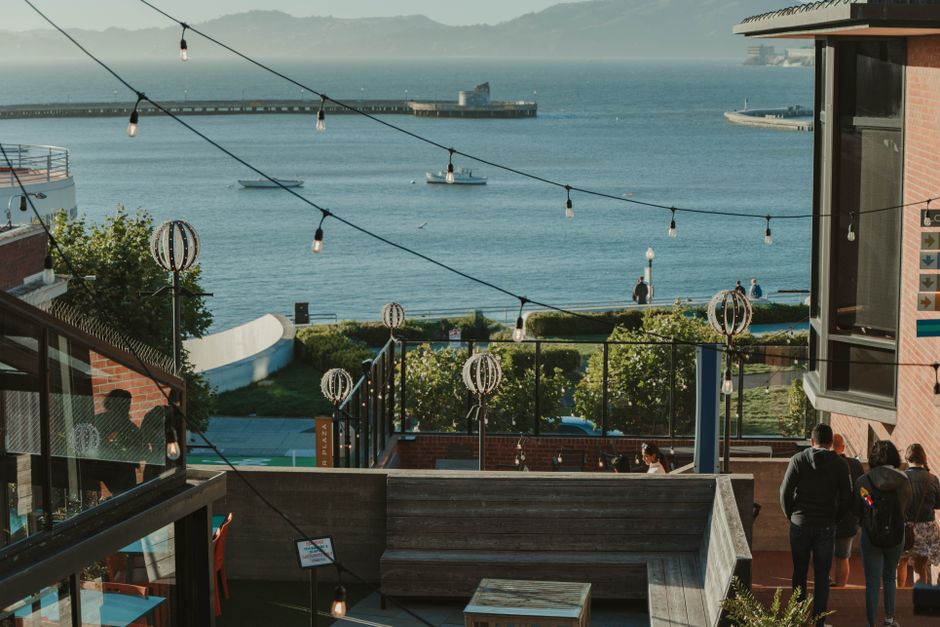
Craft beer has long been praised for its flavor and creativity, but increasingly 7 Seas Brewing event details it’s serving as a kind of social glue—a shared interest that naturally brings people together.
According to research highlighted by Wine Enthusiast, craft beer fans tend to be passionate, curious, and community-focused. They want more than just a drink; they want a story, a conversation starter, and a feeling of belonging. This aligns with the Brewers Association’s data showing craft beer drinkers often seek out gatherings that are more communal and interactive.
While a regular bar visit might revolve around quick drinks and individual conversations, craft beer culture invites people to share tasting notes, debate hop varieties, or learn about the brewing process together. It’s a social ritual built around discovery and mutual enthusiasm.
Taprooms as Modern Meeting Places
At the heart of this brewery social revolution are the taprooms themselves—laid-back, welcoming spaces focused on community. They’re not just places to buy beer; they’re designed as modern meeting places inviting longer stays and deeper interactions.
- Open layouts: Many taprooms feature communal tables, open floor plans, or outdoor patios to encourage mingling. Interactive elements: Brewmasters and staff often chat with visitors, sharing stories and answering curious questions. Multi-venue experiences: Some taprooms integrate food trucks, live music, or trivia nights, turning beer tasting into an event.
Unlike traditional bars that may lean heavily on alcohol sales alone, taprooms often intentionally cultivate community as a key part of their identity. This shift reflects changing consumer behavior where experiences and connections outweigh just the act of drinking.
Events as the Real Product
Brewery events have skyrocketed in popularity—and many owners will tell you these events are where the real magic happens. Trivia nights, brewery tours, beer launches, and pairing dinners transform the taproom into a social hotspot.
Thanks to mobile-friendly platforms like MrQ—which offers engaging games like mobile casino slots that some breweries incorporate into event nights—there’s a new layer of interaction in play. These games add a low-pressure, fun distraction that helps break the ice among attendees.
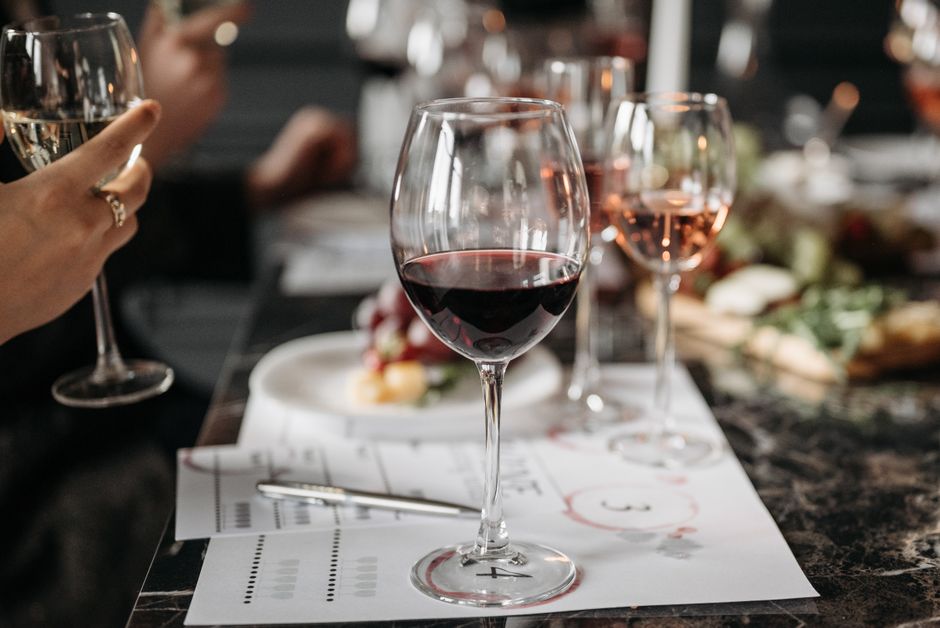
Social media also amplifies event energy. Breweries actively use Facebook, YouTube, and Instagram to promote events, share immersive behind-the-scenes content, and keep community conversations alive even after the kegs are empty.
Experience-First Consumer Behavior
Today’s beer drinker is often less interested in “just grabbing a drink” and more driven by unique experiences. The craft beer social drink culture is evolving with this mindset.
What that means in practice:
Quality over quantity: Consumers prefer tasting carefully crafted beers rather than pounding cheap drafts. Story-driven engagement: They want to know the story behind each brew and the people who make it. Shared moments: Experiences like brewery tours, tasting flights, or interactive events foster connection. Social proof: Sharing experiences on Instagram or YouTube helps build community and encourages others to join.It’s no surprise then that breweries have become ideal settings to meet new people, bond over shared tastes, and even enjoy digital gaming on the side courtesy of platforms like MrQ’s mobile-friendly games made for social venues.
Why Brewery Hangout Culture Works
Together these elements create a distinct brewery hangout culture:
- Inclusivity: Taprooms often attract a diverse crowd from craft geeks to casual sippers. Activity options: From games to live music to trivia, there’s always something to do beyond drinking. Less pressure: The vibe tends to be more laid-back and welcoming than some party-focused bars. Community-building: Regular events and social media engagement help form real friendships and networks.
In short, breweries provide much more than https://bizzmarkblog.com/are-taprooms-good-places-to-meet-new-people/ a drink. They offer a social atmosphere where craft beer acts as a catalyst for connection, where taprooms serve as communal spaces, and where events create memorable experiences—all wrapped in a culture that values quality, story, and people.
Conclusion
If you’re wondering why breweries now feel more social than bars, it boils down to an evolution in consumer desires and how breweries fulfill them. The craft beer social drink isn’t just about taste; it’s about conversation starters, shared adventures, and prolonged hangouts in welcoming spaces designed to connect people.
Taprooms have positioned themselves as modern meeting places by emphasizing community, embracing events as their main product, and leveraging social and mobile gaming platforms like MrQ’s slot games to add unexpected layers of fun. Combined with active social media presence on Facebook, YouTube, and Instagram, breweries have tapped into what today’s experience-first consumers crave.
So next time you walk into a brewery, don’t just think of it as a place to drink beer—think of it as a thriving social hub, a community center, and maybe even your new favorite hangout spot.