If you’ve ever hung around a bar, a bottle share, or an enthusiast group, you’ve probably witnessed the endless debates about what’s “best” — whether it’s the beer with the boldest hop punch or the bourbon with the smoothest vanilla finish. Honestly, these chats can be fun, enlightening, but sometimes downright frustrating. Why can’t we just agree? Why do beer people and bourbon people get so heated debating what qualifies as the top-tier choice?
As a 9-year beverage writer and bar regular who’s helped friends pick out first bottles that don’t taste like campfire ash or a sugar bomb, I can share some down-to-earth reasons behind these passionate taste battles — and why, spoiler alert, there’s no single best for everyone.
The Heart of the Matter: Subjective Taste and Personal Preference
It all boils down to one simple fact: taste is deeply personal.
What one person loves, another might dislike intensely. And this isn’t just about being stubborn https://highstylife.com/is-the-rarest-bottle-label-actually-worth-it-for-my-palate/ or contrarian; it’s rooted in how our brains, palates, and past experiences shape what we enjoy.
- Biology and Sensory Perception: Some folks have more sensitivity to bitterness or sweetness. That can make a super hoppy IPA thrilling or unbearable. Cultural and Emotional Associations: Maybe a bourbon reminds you of a family gathering, or a beer brings back memories of summer barbecues with friends. Exposure and Conditioning: The more you try different styles, the broader your palate becomes, and your preferences may evolve over time.
So when beer folks insist their craft IPA is king and bourbon lovers swear by their small-batch rye, often both sides are just championing what clicks best with their unique taste buds.
Flavor Profile Mapping: More Than Just ‘Bitter’ or ‘Smooth’
To untangle these debates, it helps to think in flavors — and how these craft beverages map onto complex taste landscapes. Here’s a quick overview highlighting some common flavor dimensions you’ll hear tossed around in beer and bourbon circles:
Flavor Dimension Common Beer Notes Common Bourbon Notes Sweet Malty caramel, honey, toffee Vanilla, caramel, maple syrup Spicy Peppery hops, earthy herbs Rye spice, cinnamon, clove Fruity Citrus, tropical fruit, stone fruit Dried fruit, dark cherries, orange peel Oaky Rarely from hops, sometimes woody notes in barrel-aged beers Toasted oak, cedar, smoke from charred barrels Dessert-Like Chocolate, coffee, vanilla stouts or porters Brown sugar, molasses, butterscotchBeer enthusiasts might prize a hop-forward West Coast IPA for its sharp citrus and pine spiciness, while bourbon aficionados might lean toward a wheated bourbon for plush vanilla sweetness and a soft mouthfeel. The challenge comes when folks talk about “best” as if all flavor how to taste bourbon profiles can be measured on the same scale — spoiler alert, they can’t.
Proof and Perceived Heat vs Intensity: Volume Controls for the Palate
Another key difference that fans argue over is the role of alcohol content, often called “proof” in bourbon and “ABV” (alcohol by volume) in beer.
Proof essentially acts like a volume knob for alcohol heat and intensity. Bourbon usually clocks much higher, from about 80 proof (40% ABV) up to barrel proof expressions over 120 (60% ABV +). Beer generally sits around 4-8% ABV except for some imperial styles pushing 10-12%.
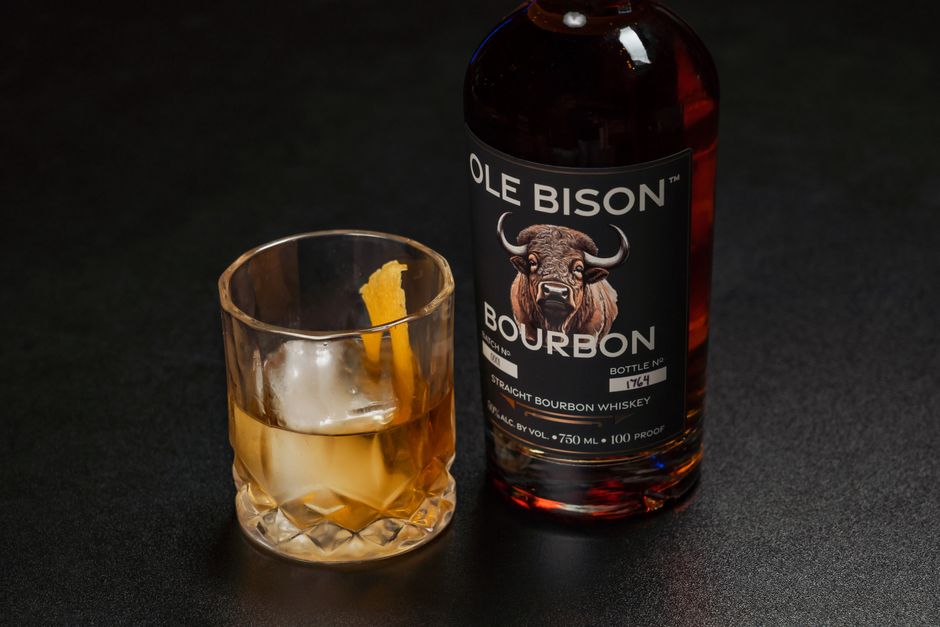
- Heat vs Intensity: Higher proof bourbons will burn or tingle more — some love this as part of the experience, others find it distracting. Similarly, the roasted character in a strong stout packs flavor intensity but can overwhelm sensitive palates. Water Drops are Your Friend: One trick I always share when recommending bourbon is to ask how you want it: neat, rocks, or cocktail? Adding a few drops of water helps dial down the heat and unlock secondary flavors like dark fruit or toasted oak.
Understanding and respecting how proof affects perception helps cut through arguments based purely on “stronger is better” or “milder equals boring.”
The Mash Bill Impact: Corn, Rye, Wheat — The Flourish Behind The Flavor
For bourbon lovers, the mash bill—the recipe of grains used in distillation—is a hotspot for debate and preference distinctions.
Here’s a quick primer on common mash bill grains and their flavor contributions:
Corn (minimum 51% required for bourbon): Sweet, creamy, smooth, and sometimes vanilla-like. Corn-heavy bourbons often feel soft and approachable. Rye: Adds peppery spice, herbal complexity, and sometimes a fruitier zing. Rye-forward bourbons feel punchier and have more bite. Wheat: Softer than rye, providing gentle sweetness and a fluffy mouthfeel. Wheat bourbons tend to be creamy and less spicy.Beer also has its “mash bill” equivalent in its malt, hops, yeast, and adjunct selections — though it’s less codified than bourbon. For example, a Belgian witbier uses wheat and specific spices, while an imperial stout relies on roasted barley. Each ingredient combo produces unique flavor tapestries, fueling personal style preferences.
Why These Debates Persist: Style Preferences and Communities
Beer and bourbon are each incredibly diverse worlds, full of distinctive styles that inspire passionate communities. Arguing about best doesn’t just reflect taste — it’s a way to connect, to stake tribal pride, and perhaps to gatekeep a little.
When someone says, “Best bourbon is 100 proof rye!” or “West Coast IPA hops rule” what they’re really saying is, “This style speaks to me most deeply.” And that’s perfectly fine.
Rather than viewing these debates as battles to be won, why not see them as conversations — opportunities to discover new profiles and maybe even redefine what “best” means to you?
Final Thoughts: No Single Best, Just Taste Debates and Style Preferences
The spirited arguments between beer people and bourbon people about what is “best” boil down to:
- Subjective taste shaped by biology and experience Complex and varied flavor profiles that appeal differently The “volume knob” effect of proof and alcohol heat on flavor perception The mash bill or recipe that creates signature styles and mouthfeels Communities that cherish certain styles and approach the debate with pride
Remember, taste is personal and evolving. Next time you hear someone declare a “best,” try asking, “Neat, rocks, or cocktail?” or “What flavors do you usually go for?” It helps paint a fuller picture.
And if you found this post insightful, don’t forget to share it! Hit the Facebook share or X share buttons to spread the word.
Cheers to exploring the vast, delicious worlds of beer and bourbon — where “best” is whatever brings you joy in the glass!